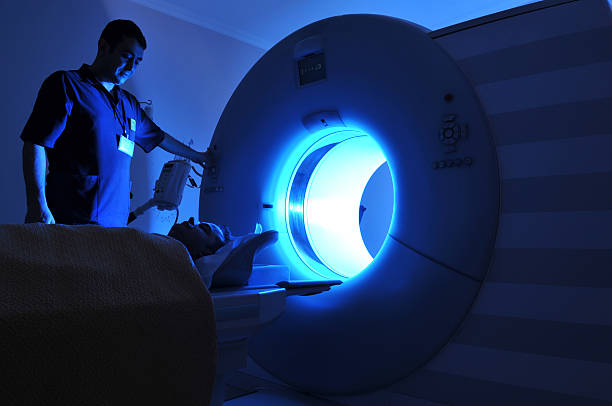
In the ever-evolving landscape of medical diagnostics and treatment, nuclear medicine clinics are at the forefront of providing advanced and precise care. These clinics utilize radioactive substances in the diagnosis and treatment of various diseases, offering a unique approach that complements traditional medical practices. By focusing on the physiological processes within the body, nuclear medicine provides insights that are often unattainable through conventional imaging techniques. This article explores how nuclear medicine clinics deliver cutting-edge care, highlighting their role in modern healthcare.
Innovative Diagnostic Techniques
Nuclear medicine clinics employ a range of diagnostic techniques that enable the visualization of bodily functions in real-time. These methods allow for early detection and accurate diagnosis of illnesses, which is crucial for effective treatment. Some of the key diagnostic tools include:
- Positron Emission Tomography (PET) scans, which provide detailed images of the body”?s metabolic activity.
- Single Photon Emission Computed Tomography (SPECT) scans, used to assess blood flow and the functionality of organs.
- Bone scans, which detect abnormalities in bone metabolism and are valuable in diagnosing fractures, infections, and cancers.
Read more about this topic to understand how these techniques are revolutionizing patient care.
Therapeutic Applications
Beyond diagnostics, nuclear medicine offers therapeutic applications that target and treat specific conditions with precision. This precision reduces damage to healthy tissues, a significant advantage over traditional therapies. Key therapeutic areas include:
- Radioiodine therapy, commonly used for treating thyroid cancer and hyperthyroidism.
- Radioimmunotherapy, which combines radiation therapy with immunotherapy to treat certain types of lymphoma.
- Palliative treatments for bone pain in cancer patients, providing relief and improving quality of life.
Learn more in this detailed guide about the therapeutic capabilities of nuclear medicine.
Safety and Precision
Safety is a paramount concern in nuclear medicine. Clinics adhere to stringent safety protocols to protect patients and healthcare professionals. Advanced imaging technologies ensure that radiation doses are minimized while maintaining diagnostic accuracy. Key safety measures include:
- Use of the latest technology to limit radiation exposure.
- Comprehensive training for staff in handling radioactive materials.
- Regular maintenance and calibration of equipment to ensure operational safety.
Explore further insights here on the safety protocols implemented in nuclear medicine clinics.
Future of Nuclear Medicine
The future of nuclear medicine holds great promise, with ongoing research and technological advancements expanding its capabilities. Emerging trends include:
- Development of new radiopharmaceuticals that target specific disease markers, enhancing the specificity of interventions.
- Integration with artificial intelligence to improve diagnostic accuracy and treatment planning.
- Expansion of personalized medicine approaches, tailoring treatments to individual patient profiles.
Find additional information here about the future trends and innovations in nuclear medicine.
Nuclear medicine clinics provide cutting-edge care that is integral to modern healthcare. By harnessing the power of radioactive substances for both diagnosis and therapy, these clinics offer unique solutions that enhance patient outcomes. As technology continues to evolve, the role of nuclear medicine in healthcare is set to expand, offering new possibilities for early detection, effective treatment, and improved patient care.