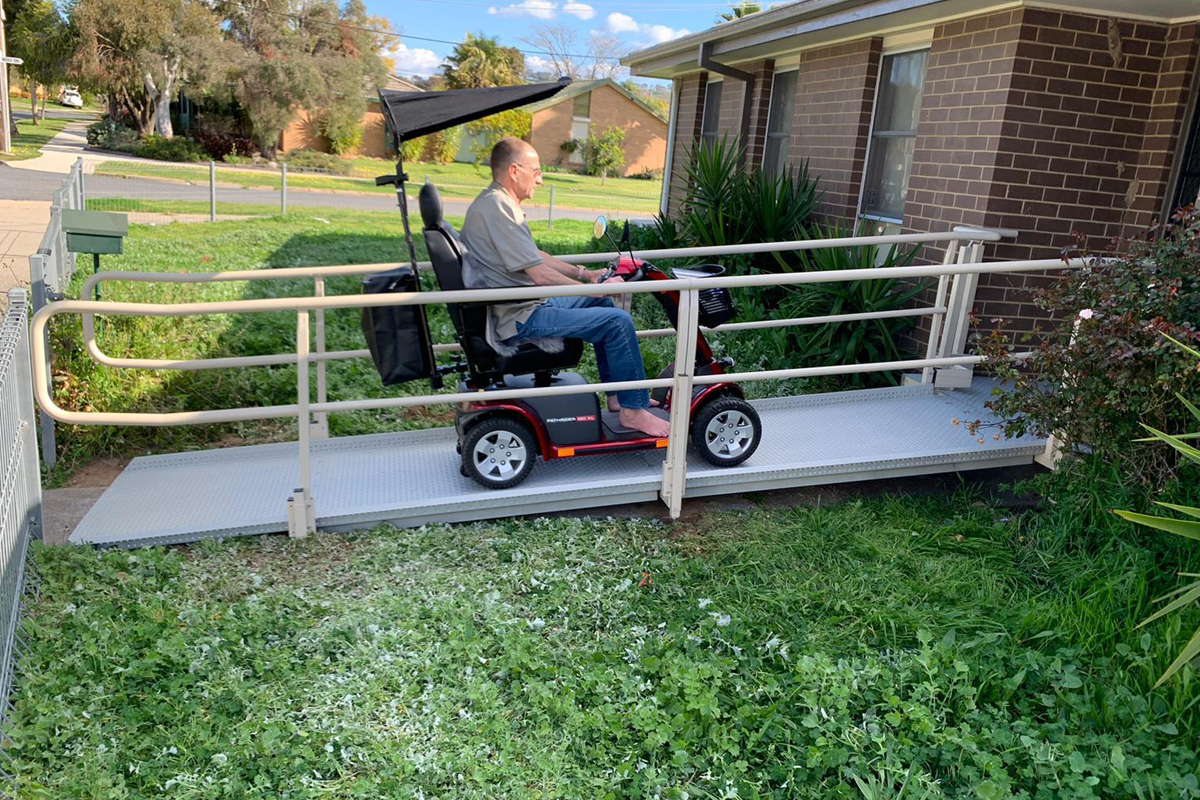
In an increasingly accessibility-conscious world, ensuring that spaces are accessible to everyone is paramount. Modular ramps have emerged as a versatile solution that caters to the diverse needs of individuals requiring mobility assistance. With their customizable nature and ease of installation, these ramps offer significant advantages over traditional fixed ramps.
Understanding Modular Ramps
Modular ramps are pre-engineered systems designed for easy assembly and installation. They consist of individual modules that can be connected and configured to fit specific space requirements and user needs. These ramps are often used in both residential and commercial settings to provide access for individuals with mobility challenges.
Key Features of Modular Ramps
- Customizable Design: Modular ramps can be tailored to any length, height, or configuration, making them ideal for a variety of applications.
- Durability: Constructed from high-quality materials such as aluminum or galvanized steel, these ramps are built to withstand harsh weather conditions.
- Ease of Installation: With no need for concrete or permanent fixtures, modular ramps are quick and easy to install, reducing labor costs and time.
- Portability: These ramps can be disassembled and relocated as needed, providing flexibility for temporary or changing needs.
Benefits of Modular Ramps for Accessibility
Enhanced Mobility and Independence
One of the primary benefits of modular ramps is their ability to enhance mobility and independence for individuals with disabilities. By providing seamless access to buildings and outdoor spaces, these ramps eliminate physical barriers and promote self-reliance.
Cost-Effectiveness
Compared to traditional ramp systems, modular ramps are often more cost-effective. Their prefabricated nature reduces the need for custom construction, resulting in lower material and labor costs. Additionally, the ability to reconfigure and reuse modular components further enhances their affordability.
Compliance with Accessibility Standards
Many modular ramps are designed to meet stringent accessibility standards, ensuring compliance with regulations such as the Americans with Disabilities Act (ADA) in the United States. This compliance not only guarantees safe and accessible environments for users but also protects property owners from potential legal liabilities.
Applications of Modular Ramps
Residential Use
In residential settings, modular ramps are a popular choice for homeowners looking to make their properties accessible. These ramps can be installed at entrances, garages, and other areas where elevation changes occur, providing safe access to individuals with mobility challenges.
Commercial and Public Settings
Commercial buildings, schools, hospitals, and public facilities often utilize modular ramps to ensure compliance with accessibility requirements. These ramps facilitate easy access for employees, visitors, and customers, promoting inclusivity and equal opportunity.
Temporary Events and Construction Sites
Modular ramps are also ideal for temporary applications such as events, fairs, and construction sites. Their portability allows them to be easily set up and removed as needed, accommodating varying terrains and event layouts.
Conclusion
Overall, modular ramps offer a practical, cost-effective solution for enhancing accessibility in a wide range of environments. Their customizable design, ease of installation, and compliance with accessibility standards make them a valuable asset for ensuring safe and inclusive spaces. As awareness of accessibility continues to grow, the adoption of modular ramps is likely to increase, further promoting mobility and independence for all individuals.