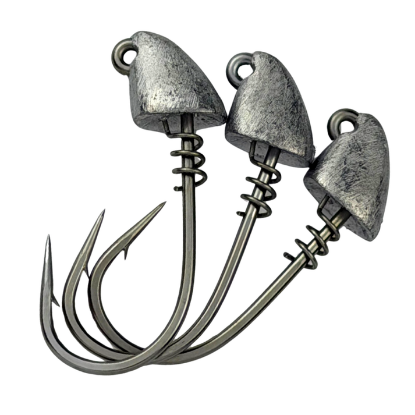
Fishing is an art, and like any other art form, the tools used play a crucial role in determining the outcome. In the world of angling, jigs are indispensable tools that can make or break a fishing expedition. Selecting the right jig requires understanding various factors such as water conditions, target species, and personal preferences. This guide provides insights into making informed choices that enhance the likelihood of success on the water, ensuring each fishing trip is a rewarding experience.
Understanding Jig Types
Jigs come in a variety of shapes and sizes, each designed to cater to specific fishing needs. Here are some common types:
- Ball Head Jigs: Versatile and suitable for a range of fishing scenarios, particularly effective in deeper waters.
- Football Jigs: Ideal for rocky bottoms as their shape reduces the chance of snagging.
- Swim Jigs: Designed for movement, perfect for mimicking the natural swimming motion of baitfish.
- Flipping Jigs: Best used in dense cover areas like thick vegetation or submerged structures.
Each type has unique features that can be explored further to match specific fishing goals. Find out more about this approach.
Choosing the Right Jig Weight
Weight is a critical factor in jig selection. It influences the jig’s sink rate and how it moves through the water column. Consider the following when selecting jig weight:
- Light Jigs (1/8 oz to 1/4 oz): Suitable for shallow waters and when a subtle presentation is required.
- Medium Jigs (3/8 oz to 1/2 oz): Versatile for moderate depths and varying conditions.
- Heavy Jigs (5/8 oz and above): Effective in deep water or strong currents where a faster sink rate is beneficial.
Understanding the fishing environment is crucial when choosing jig weight. Explore advanced guides and tips to enhance your selection process.
Matching Jig Colors to Water Conditions
Color is another pivotal element in jig selection. It can influence the visibility of the lure and its attractiveness to fish. Here are guidelines on choosing jig colors based on water conditions:
- Clear Water: Use natural colors like green, brown, or silver to mimic natural prey.
- Murky Water: Opt for bright colors like chartreuse or orange to increase visibility.
- Stained Water: Darker colors such as black and blue can create a silhouette effect, making the jig more noticeable.
Adapt to changing water conditions by learning about tailored solutions that optimize jig performance.
Additional Tips for Success
To maximize the potential of jigs, consider the following strategies:
- Experiment with Trailers: Adding soft plastic trailers can enhance the action and appeal of the jig.
- Vary Retrieval Speeds: Adjusting the speed can trigger different responses from fish, increasing catch rates.
- Observe Fish Behavior: Constantly monitor and adapt to the behavior of target species for better results.
For more insights, discover expert strategies here.
In conclusion, selecting the right fishing jig involves understanding several variables, including jig type, weight, color, and application techniques. By taking these factors into account, anglers can significantly improve their chances of success. Whether targeting bass in a lake or pursuing trout in a river, the right jig can make all the difference. For more comprehensive guidance, learn about our tailored solutions designed to meet the needs of every angler.