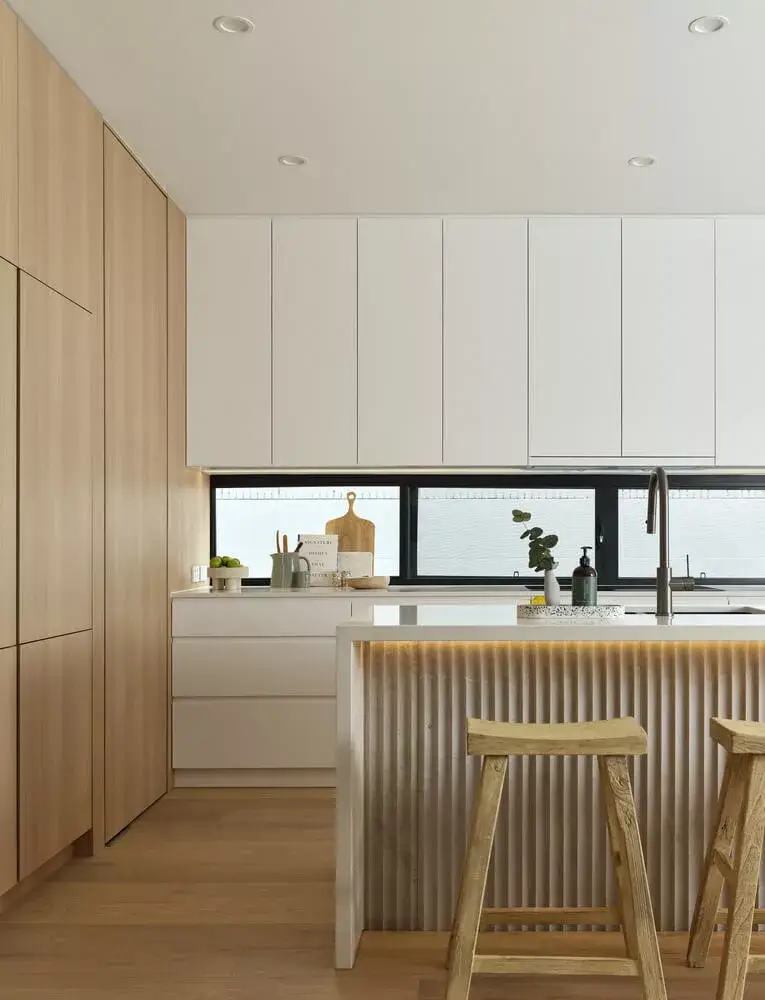
Engineered timber flooring is rapidly gaining popularity as a versatile and durable flooring solution. Combining the timeless aesthetic of hardwood with modern engineering techniques, it offers a blend of beauty and practicality. Homeowners and industry professionals alike are opting for engineered timber due to its myriad benefits over traditional hardwood floors. This guide delves into the key aspects of engineered timber flooring, offering insights into its composition, benefits, and installation processes.
What is Engineered Timber Flooring?
Engineered timber flooring is a layered product consisting of a top veneer of real hardwood and a core of high-density fiberboard (HDF) or plywood. This construction gives engineered timber its strength and stability, making it less prone to warping and expanding compared to solid wood.
Composition and Structure
- Top Layer: A thin slice of genuine hardwood, providing the appearance of traditional timber.
- Core Layer: Made from plywood or HDF, offering enhanced stability and resistance to moisture.
- Backing Layer: This bottom layer adds additional strength and stability, ensuring the longevity of the floor.
Advantages of Engineered Timber Flooring
Engineered timber flooring offers several advantages that make it a preferred choice for many homeowners and designers. Discover expert strategies here.
- Durability: The multi-layered construction makes it robust and less susceptible to environmental changes.
- Versatility: Suitable for installation over various subfloors, including concrete and existing wood floors.
- Eco-Friendly: Requires less hardwood, making it a more sustainable option compared to solid wood flooring.
- Cost-Effective: Generally more affordable than traditional hardwood, without compromising on aesthetics.
- Easy Maintenance: Simple cleaning procedures and resilience against scratches and dents.
Installation Methods
The installation method for engineered timber flooring can vary depending on the specific product and subfloor. Learn about our tailored solutions.
Floating Floor
- This method involves laying the panels over a foam or underlay without using nails or glue.
- Benefits include ease of installation and the ability to install over existing flooring.
Glue-Down Installation
- Involves adhering the planks directly to the subfloor using a strong adhesive.
- Offers excellent stability and is ideal for areas with high foot traffic.
Nail-Down Installation
- Typically used with plywood subfloors, where the planks are nailed directly into the subfloor.
- Provides a firm and permanent fixing, suitable for specific spaces.
Maintenance Tips for Engineered Timber Flooring
Engineered timber flooring is designed to be low maintenance, but following some simple guidelines can help preserve its beauty and longevity. Explore advanced guides and tips.
- Regular Cleaning: Use a dry mop or vacuum to remove dust and debris. Avoid using excessive water, which can damage the floor.
- Use Protective Pads: Place felt pads under furniture legs to avoid scratches.
- Control Humidity: Maintain indoor humidity levels between 30% and 50% to prevent warping.
- Avoid Harsh Chemicals: Use cleaners specifically designed for engineered timber floors.
Conclusion
Engineered timber flooring stands out as a sophisticated, durable, and versatile option for both residential and commercial spaces. Its combination of natural beauty and engineered resilience makes it a smart investment. By understanding its benefits and installation methods, homeowners can make informed decisions that enhance their spaces. For more detailed guidance on selecting and maintaining engineered timber flooring, find out more about this approach.