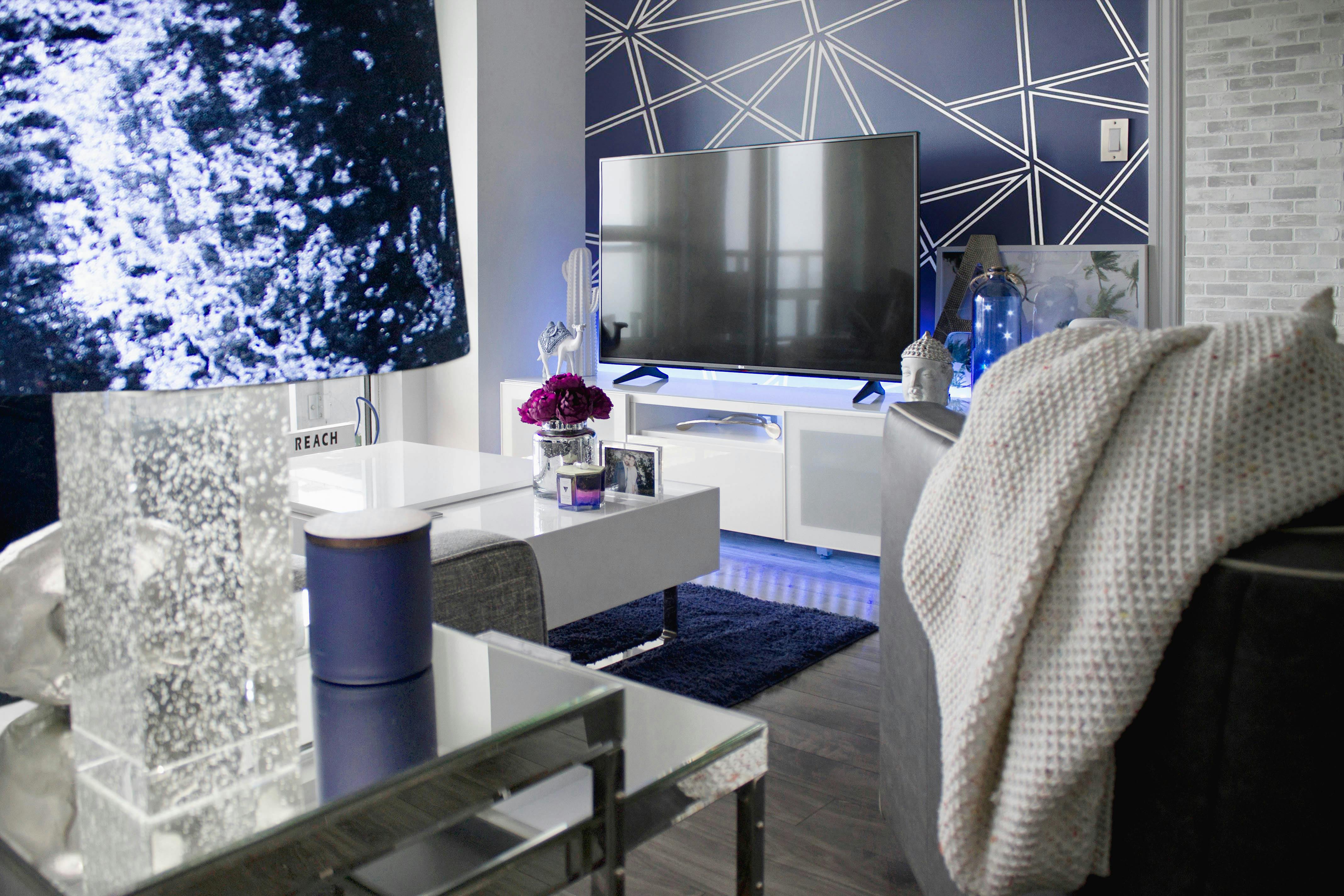
In the vibrant city of Toronto, interior design is not just about aesthetics; it is a profound expression of individuality and lifestyle. As urban living spaces evolve, so do the intricacies of designing interiors that are both functional and visually appealing. The art of interior design in Toronto encapsulates a blend of modern innovation and timeless elegance, offering endless possibilities for transforming spaces into personal sanctuaries. By delving deep into the principles and nuances of this craft, one can uncover the secrets to creating environments that resonate with personal style and enhance quality of life.
The Core Principles of Interior Design
Interior design is guided by several fundamental principles that ensure a cohesive and harmonious space. Understanding and applying these principles is crucial for creating environments that are not only beautiful but also practical.
- Balance: Achieving visual equilibrium through the careful distribution of elements.
- Rhythm: Creating movement and flow through repetition, progression, and contrast.
- Emphasis: Focusing attention on a focal point to enhance spatial dynamics.
- Proportion and Scale: Ensuring elements are in harmony with the overall space.
- Harmony and Unity: Cohesively blending all design elements for a seamless look.
For those interested in mastering these principles, it is beneficial to discover expert strategies here.
Emerging Trends in Toronto’s Interior Design Scene
Toronto’s interior design landscape is constantly evolving, embracing new trends that reflect the city’s dynamic culture and diverse population. Some of the notable trends include:
- Sustainable Design: Integrating eco-friendly materials and practices to create sustainable and responsible spaces.
- Smart Homes: Incorporating technology to enhance functionality and convenience in daily living.
- Biophilic Design: Bringing nature indoors through the use of natural materials, light, and vegetation.
- Minimalism: Emphasizing simplicity and decluttering to create serene and focused environments.
These trends not only reflect aesthetic preferences but also cater to modern lifestyles and environmental consciousness. To learn about our tailored solutions for integrating these trends into your space, consider consulting with professionals.
Key Considerations for Designing Small Spaces
In urban areas like Toronto, maximizing small spaces is a common challenge that demands creative solutions. Here are some key considerations for designing compact living areas:
- Multifunctional Furniture: Opt for pieces that serve multiple purposes to save space.
- Light and Color: Use light colors and strategic lighting to make spaces appear larger.
- Vertical Storage: Utilize vertical space for storage to reduce clutter and free up floor space.
- Open Layouts: Create open, fluid spaces to enhance the perception of space.
For more insights on optimizing small spaces, explore advanced guides and tips tailored to urban living.
Personalizing Your Space
Personalization is a crucial aspect of interior design, enabling individuals to infuse their character and preferences into their surroundings. Here are some ways to personalize your space:
- Custom Artwork: Incorporate art pieces that resonate with personal taste and style.
- Color Schemes: Choose colors that reflect personal moods and preferences.
- Textile Choices: Use textiles to add texture and comfort tailored to individual needs.
To find out more about this approach and how to effectively personalize your living space, consider exploring various design options and inspirations.