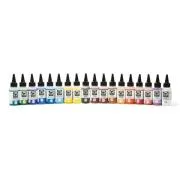
Glass painting is a delightful and intricate art form that can transform ordinary glass surfaces into stunning masterpieces. Whether you’re a seasoned artist or a beginner exploring the world of glass art, having the right glass painting supplies is essential to achieve vibrant and lasting results. This article explores the top supplies and paints that are indispensable for any glass painting project, providing insights into how each component contributes to the overall success and aesthetic of your artwork.
Essential Glass Painting Supplies
Before diving into the artistic process, it’s important to gather the necessary supplies that will allow for creativity and precision.
Glass Surface Preparation
- Cleaning Supplies: Use alcohol wipes or a glass cleaner to ensure the glass surface is free of dust and grease.
- Masking Tape: Ideal for creating clean edges and protecting areas you don’t wish to paint.
Paint Selection
Choosing the right paint for glass art is crucial for achieving the desired effect. There are several types of paints suited for glass:
- Acrylic Enamel Paints: Known for their durability, these paints are perfect for creating paint for windows glass that withstands exposure to sunlight.
- Solvent-Based Paints: These provide a glossy finish and are ideal for creating opaque designs.
- Glass Metallic Paint: Adds a shimmering effect to your artwork, making it stand out.
- Transparent Paints: Best for stained glass effects, allowing light to pass through.
Brushes and Tools
Achieving fine details and textures requires the right tools:
- Fine-Tip Brushes: Essential for intricate designs and fine lines.
- Sponge Brushes: Great for covering large areas and creating a smooth finish.
- Palette Knives: Useful for applying thicker layers of paint.
The Best Paints for Glass Painting
Understanding the characteristics of different paints is key to selecting the best paint for glass painting:
Acrylic Enamels
Acrylic enamel paints are favored for their versatility and ease of use. They offer a durable finish that is resistant to chipping and fading, making them a reliable choice for both beginners and experts.
Solvent-Based Paints
These paints provide a rich, glossy finish and are particularly effective for achieving opaque designs. They require careful handling and good ventilation during application.
Water-Based Paints
Water-based options are non-toxic and easy to clean up, making them ideal for projects with children or for artists who prefer a more environmentally friendly option.
Additional Supplies for Enhanced Effects
Beyond the basics, certain supplies for glass painting can elevate the quality and creativity of your projects:
- Outliner: Helps define shapes and prevent colors from bleeding into each other.
- Sealant: Protects the finished artwork from scratches and environmental damage.
- Lightbox: Aids in tracing designs onto the glass surface.
Conclusion
Choosing the right paint to use on glass and accompanying supplies is crucial in achieving the desired effects in glass painting projects. By understanding the different types of paints and their applications, artists can unlock a world of creative possibilities. A well-prepared and well-equipped artist is poised to create stunning glass art that captivates and inspires.