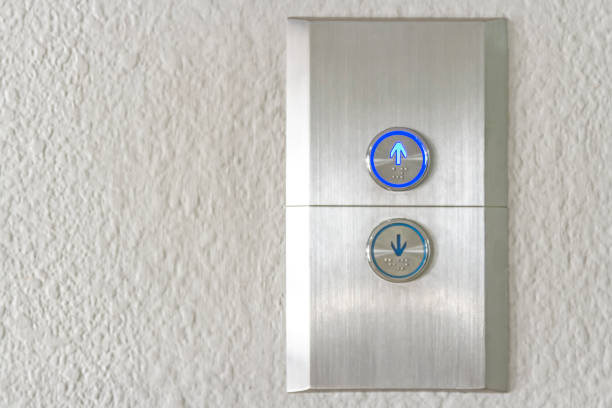
In modern architecture, elevators have become an indispensable part of building design, facilitating mobility and enhancing accessibility. As buildings grow taller and more complex, the need for efficient and user-friendly elevator systems becomes crucial. The control panel for elevator systems plays a pivotal role in ensuring that elevators meet the demands of diverse user groups, including the elderly and those with disabilities. This article explores the importance of elevator control panels in promoting building accessibility and the technological advancements that are making elevators more accessible than ever before.
The Role of Elevator Control Panels in Accessibility
Elevator control panels serve as the primary interface between users and the elevator system. They are designed to provide seamless access to all floors of a building, enabling users to select their desired destination easily. The design and functionality of these panels are crucial for ensuring accessibility for all individuals, including those with mobility challenges.
Key Features of Accessible Elevator Control Panels
To enhance accessibility, elevator control panels incorporate several key features:
- Intuitive Design: Large, clearly labeled buttons make it easy for users to navigate the panel.
- Braille Labels: Buttons are often equipped with Braille for visually impaired users.
- Audible Signals: Audio cues can indicate floor selection and arrival, aiding those with vision impairments.
- Height Accessibility: Control panels are installed at a height accessible to wheelchair users.
- Tactile Feedback: Tactile indicators provide physical feedback when buttons are pressed.
Technological Innovations in Elevator Control Panels
Advancements in technology have significantly improved the functionality and accessibility of elevator control panels. These innovations are tailored to enhance user experience and safety, ensuring that elevators cater to the needs of diverse populations.
Touchless Control Panels
In response to health concerns, especially highlighted during the COVID-19 pandemic, touchless technology has been integrated into elevator systems. These systems allow users to operate the elevator through voice commands or smartphone apps, reducing the need for physical contact.
Smart Elevators
Smart elevators use advanced algorithms and connectivity to optimize operations. They can predict user demand patterns and adjust their operation to minimize wait times and energy consumption. This not only improves efficiency but also enhances accessibility by ensuring elevators are available when needed.
Compliance and Standards
Ensuring that elevator control panels are accessible involves meeting various regulatory standards. These include guidelines set forth by the Americans with Disabilities Act (ADA) and similar regulations worldwide. Compliance ensures that elevator systems are accessible to all users, regardless of their physical abilities.
Standards to Consider
Key standards that influence the design of accessible elevator control panels include:
- ADA Standards: These set requirements for the placement and functionality of control panels to ensure ease of use for individuals with disabilities.
- International Building Code (IBC): Provides guidelines that influence the design and installation of elevator systems.
- ISO Standards: International standards that ensure quality and safety in elevator design and manufacturing.
The Future of Elevator Accessibility
As technology continues to evolve, the future of elevator accessibility looks promising. Innovations such as artificial intelligence and the Internet of Things (IoT) are expected to further enhance the functionality of elevator control panels. These advancements will likely lead to more personalized and efficient elevator experiences, ensuring that buildings are accessible to all.
In conclusion, the control panel for elevator systems plays a crucial role in enhancing building accessibility. With ongoing technological advancements and adherence to regulatory standards, elevators are becoming increasingly user-friendly and accessible, allowing for seamless mobility within modern buildings.